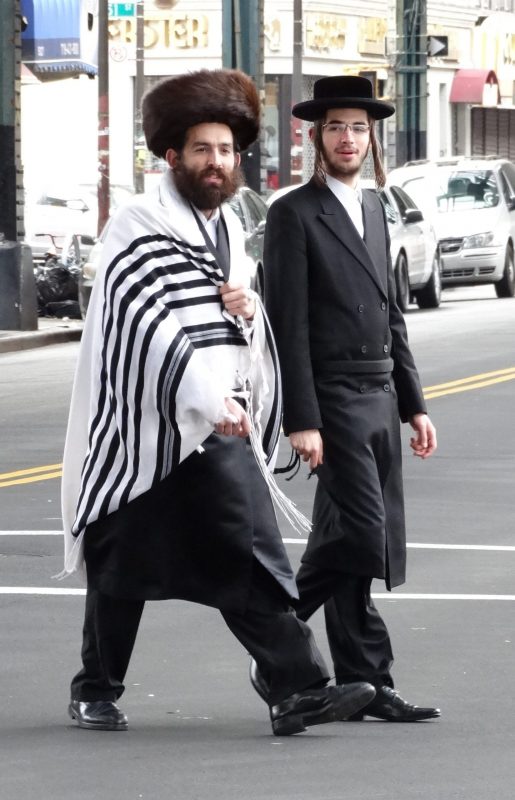
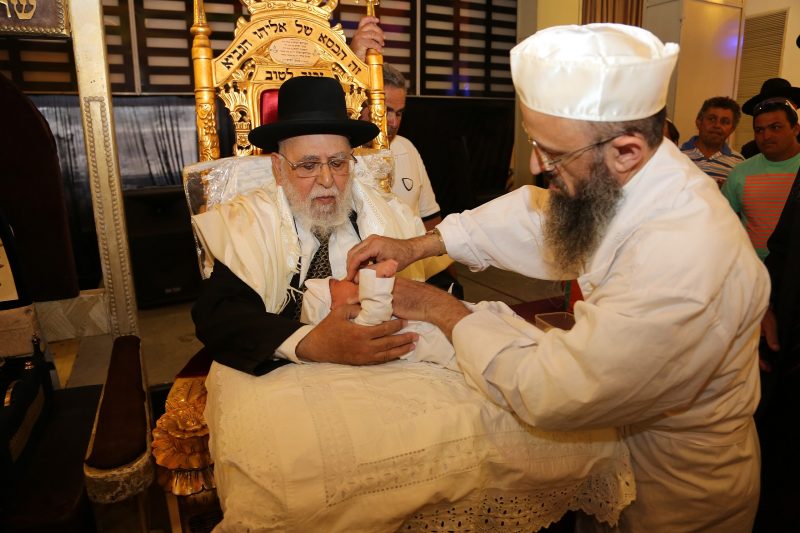
A kippah (Hebrew) or yarmulke (Yiddish) is a small cloth cap worn by some Jews.
In traditional communities, kippot are only worn by men and they are worn at all times. In other communities, people have different customs about when or where to wear a kippah.
For instance, some people might wear a kippah while eating, while at synagogue, or while praying.
Women may wear kippot for spiritual reasons, to make a statement about women’s roles in Judaism, or other reasons.
For many years, some Reform communities did not wear kippot at all. Today, it has become customary for Reform men and women to cover their heads during prayer and Jewish study or at other times.
There are different opinions about what the kippah means and if or when it is obligatory to wear one. Some consider it a minhag (custom). Others consider it so universally accepted that it has become law.
Kippot come in many different styles, materials, and sizes. Different styles of kippot are linked with different communities, places of origin, and beliefs.
Text adapted from Simple English Wikipedia, Creative Commons Attribution-ShareAlike License 4.0.